A 2015 guest post by Garry Stoner of TK Labs.
As kava's popularity grows, you don't have to look very far to find someone who says they've tried it. Both in person and online, many people share their account of the kava experience. The trouble is, a lot of them haven't actually tried kava in the way kava is consumed in the South Pacific. Kava in some form or another is widely available, but a surprisingly small percentage of products on the market actually qualify as a traditional kava beverage.
Extracts, teas and tinctures are not kava
Yes, the product may contain Piper methysticum, but that alone means little. We can immediately set aside kava extracts, kava paste and kava tinctures. If you've tried one of those, you've experienced a product that is as close to kava as Red Bull is to coffee. Crudely extracting some active components of a plant (along with many undesirable ones) using a volatile solvent is a long-standing Western tradition often touted as an "improvement", but in the case of kava nothing could be further from the truth. The same goes for kava tea: the active components of kava are substantially modified and largely destroyed by boiling water, making kava tea a rather less than useful product.
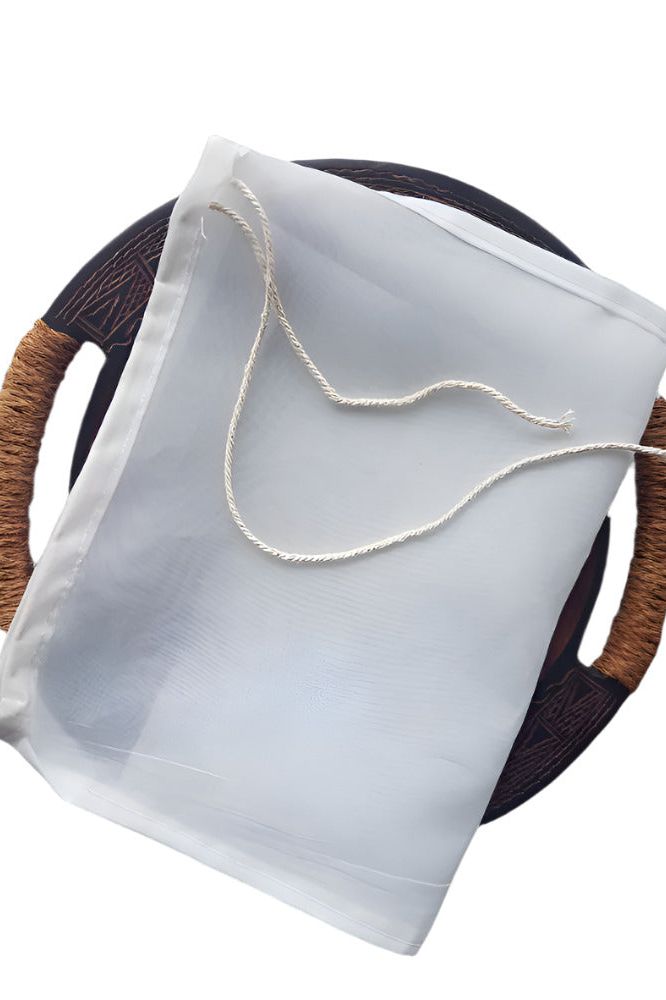
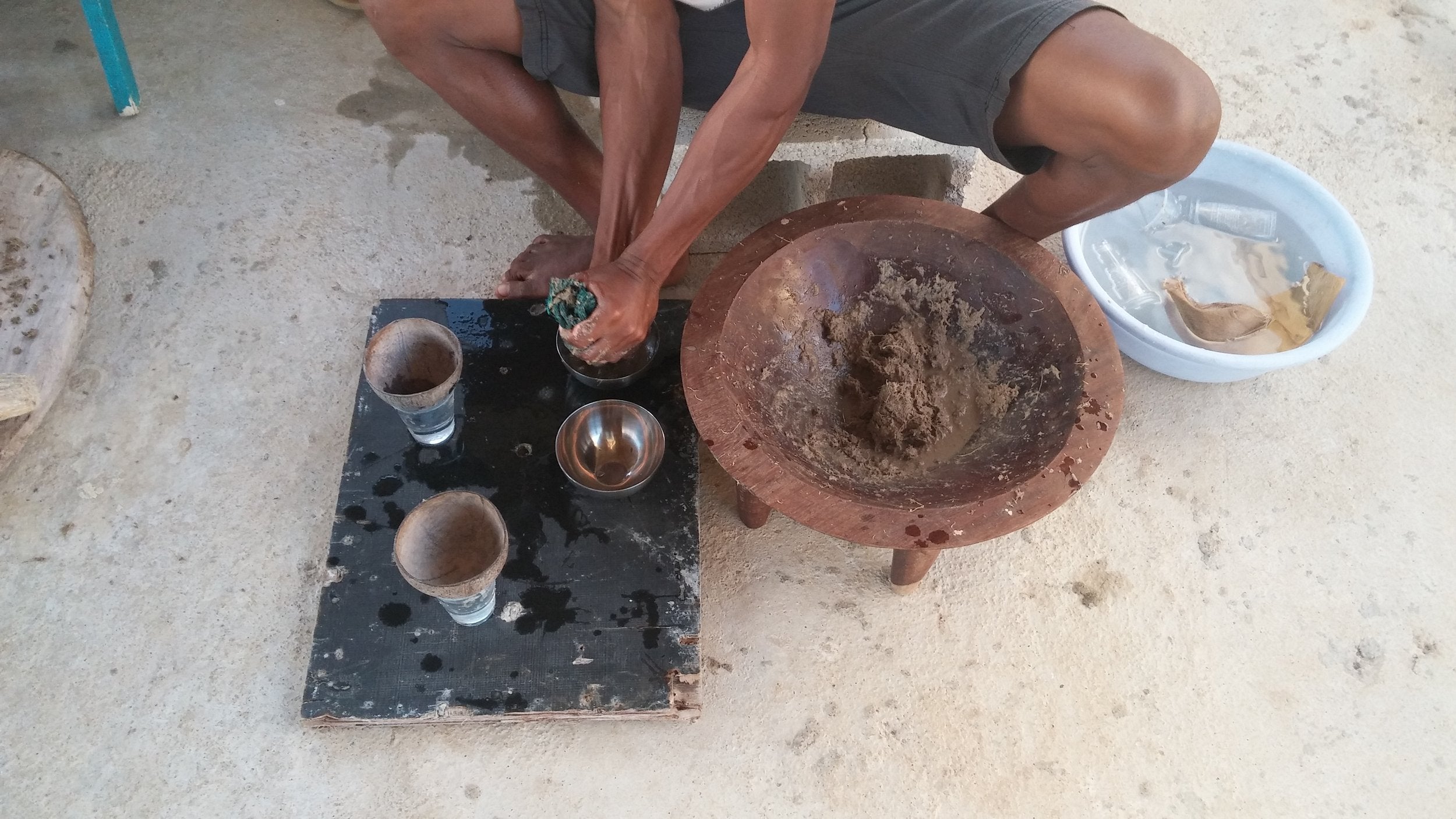
Kava powders are commonly sold too, and these usually come with instructions for preparing a beverage by kneading the powder in cold water through a strainer bag. Cold-water extraction is the traditional way to prepare kava. But there's another important factor most Western buyers don't know about.
Not all kava is alike: noble vs tudei
If you've read much about kava, you may be aware of the longstanding controversy about "two day" kava. Two day kava (also known as "tudei" or "isa") is Piper methysticum, but a group of cultivars that are seldom consumed traditionally in the South Pacific. Two day kava often causes nausea, blurred vision, and a hangover similar to that caused by alcohol. It's so named because its often unpleasant effects can linger for two days or more.
Another group of cultivars is called "noble" or "daily use". These are the cultivars that are routinely consumed by Pacific Islanders and have been valued for thousands of years for their gentle, pleasant effects. Noble kavas are described as bringing about a sense of calm while keeping the mind clear, and they don't typically carry lingering effects.
Unfortunately, many kava retailers are not kava drinkers themselves, and they fail to make any distinction between these two categories. The Pacific Islanders have known the difference for over 3,000 years. But when Western merchants insisted on the cheaper, faster-growing tudei because it was easier to procure, growers complied with these supposedly knowledgeable buyers. As a result, much of the kava sold in the Western world is tudei or contains tudei. (We've written more about this in our piece on what makes a good kava cultivar.)
If you've been disappointed by kava before
So if you've tried a "kava" product in the past in the form of an extract, a tea, or something containing tudei in any form, you haven't really experienced kava in the South Pacific tradition. You've experienced a Western reinterpretation of it.
If you think this may be the case, and you've tried a kava product that either had no effect or actually made you feel unwell, it's worth taking another look at this plant. Many people who try a properly noble cultivar prepared in the traditional way describe a calm, sociable, contemplative experience that bears no resemblance to whatever they had before. (We don't make medical claims about kava and we'd encourage anyone with health concerns to talk to their GP rather than treating any beverage as a remedy.)
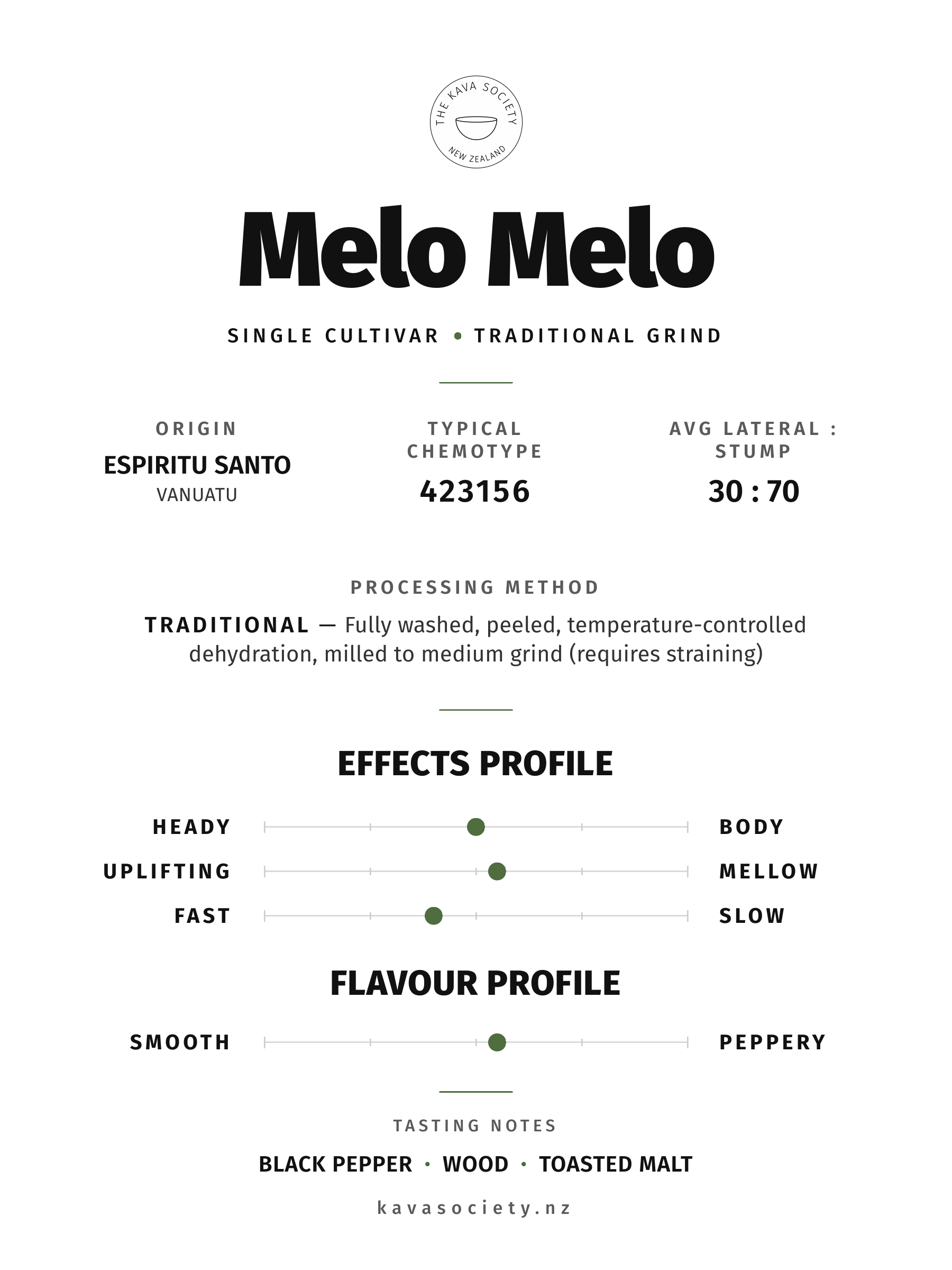
If you'd like to try a noble Vanuatu kava prepared in the traditional way, you can browse our current selection or read our guide to the different forms kava comes in.
Thank you,
Garry Stoner
T.K. Labs





Leave a comment
This site is protected by hCaptcha and the hCaptcha Privacy Policy and Terms of Service apply.