Dyeing t-shirts and other textiles with kava
Anyone who drinks kava regularly knows it marks everything it touches. The bench, the tea towel, the front of a clean shirt ten minutes before leaving the house. In fairness, most of those stains are not as permanent as they first look. A hot wash with a decent detergent, or some elbow grease on a hard surface, and the colour mostly lifts, because it has settled on the material rather than truly bonded to it.
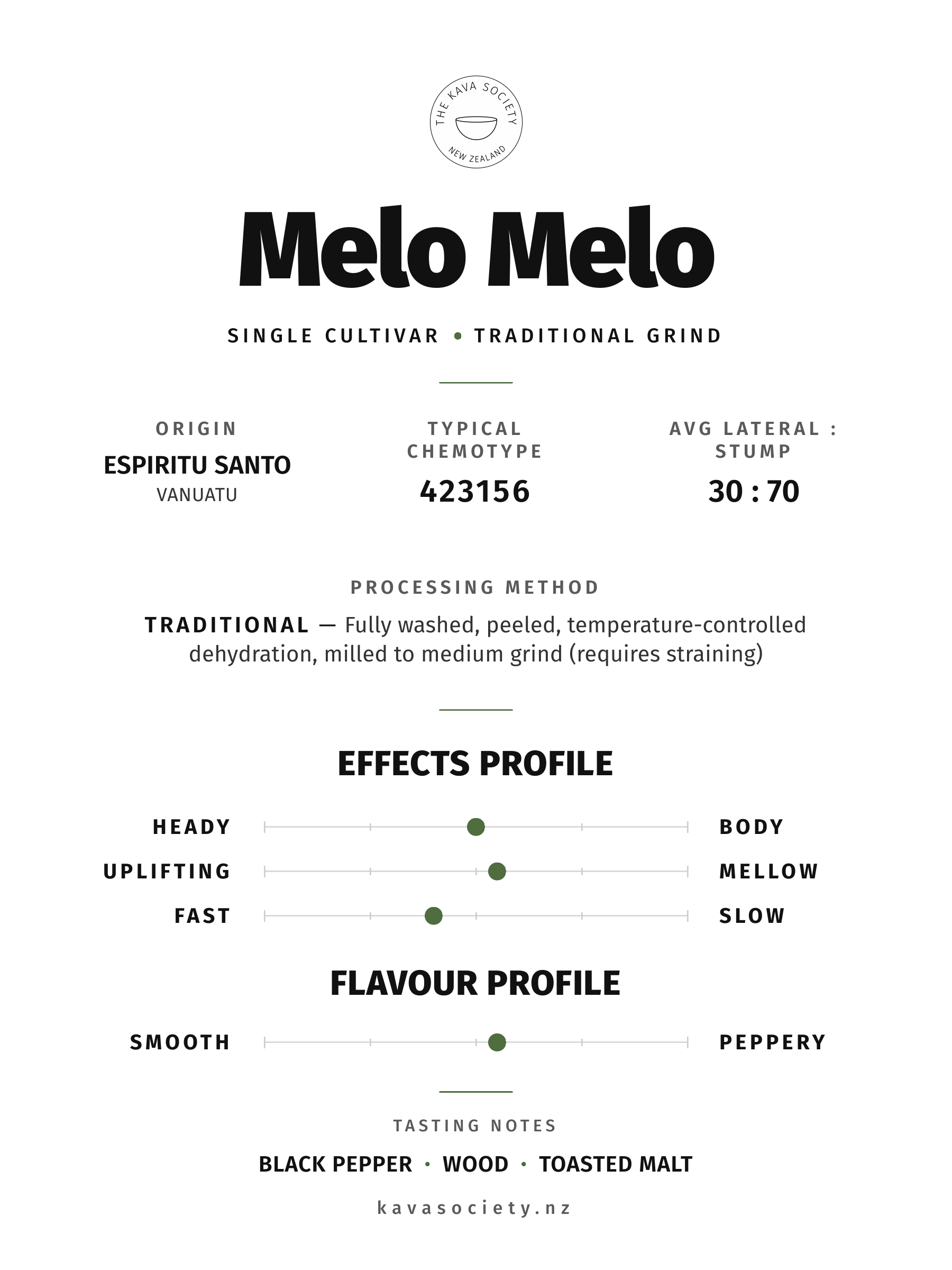
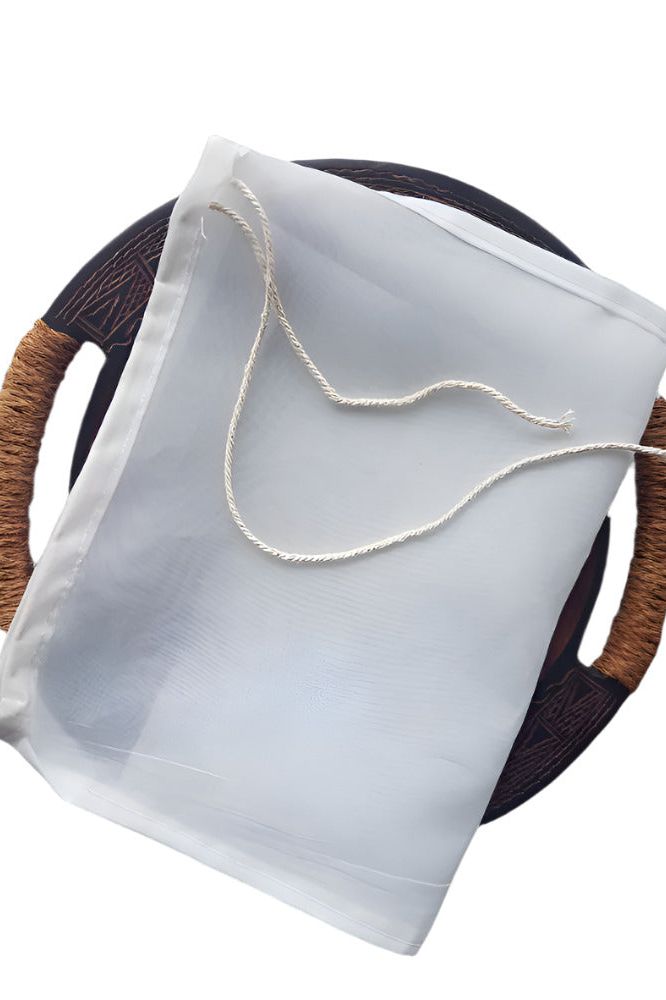
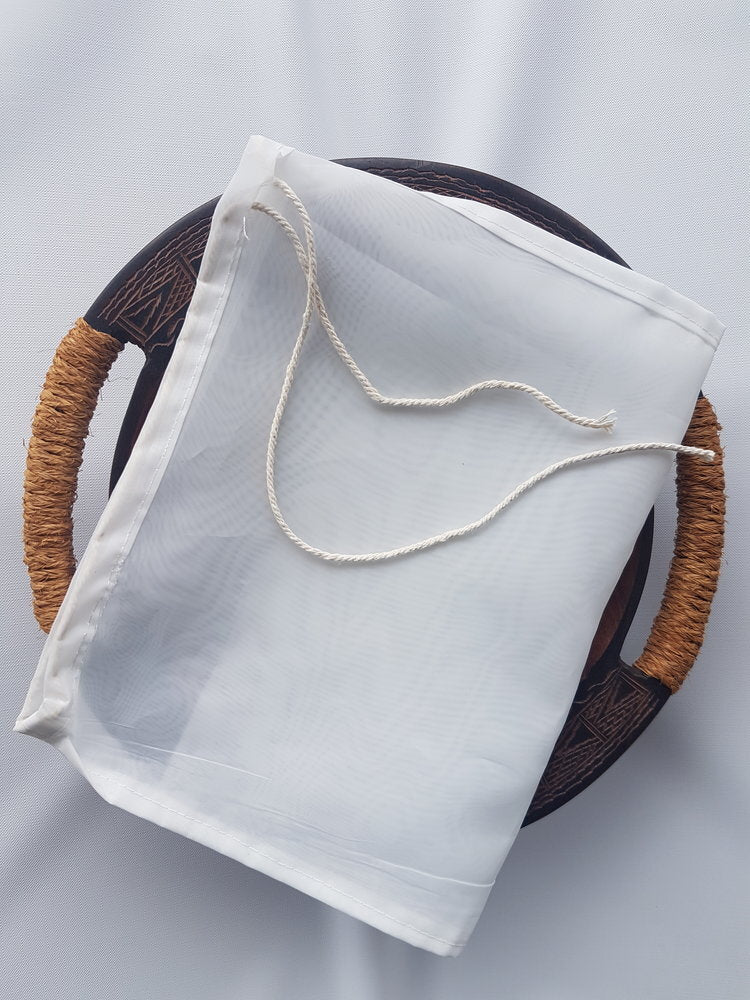
The strainer bag is the one exception, and it is a telling one. No bag that has wrung out kava week after week ever goes back to snow white, no matter how many washes you put it through. Soaked in strong kava over and over, the pigment works its way into the fibres and stays there. That stubborn, built-up colour in an old strainer bag is the whole idea behind dyeing cloth, just happening by accident.
So it is worth turning the problem around and asking the obvious question. If kava will colour a strainer bag this reliably without anyone trying, could you use it on purpose, to colour something you actually want coloured?
The answer is yes, and you would not be the first. Kava has been used here and there across the Pacific to tint barkcloth, never as a headline dye and not something many people still do today, but enough to show the plant has long had this quiet second life.
Pacific people worked this out a long time ago
Barkcloth, the fabric beaten from the inner bark of paper mulberry and known as tapa, ngatu, siapo, masi or kapa across the Pacific, was decorated for centuries with dyes drawn from plants and earth. The bold colours came from specific dye plants: red and yellow from Morinda, red from candlenut bark, bright yellow from turmeric, browns from mangrove and smoke, black from iron-rich swamp mud.
Kava sits more quietly in that story. It is recorded in the literature on Polynesian tapa colourants as giving cloth a soft, muted beige-grey, the sort of understated tone you would expect from the plant rather than a showy red, and it turns up again in the essays collected in Material Approaches to Polynesian Barkcloth. On Fijian masi, kava staining is so familiar that collectors treat it as a mark of authenticity rather than a flaw. So when you dye a shirt with kava you are not inventing anything. You are leaning on a property of the plant that Pacific people have lived alongside for generations, and like nearly everything good about kava, we owe the knowledge to them.
Why kava stains in the first place
To understand the colour you will get, it helps to know where it comes from. Snap a fresh piece of kava root and the flesh runs from white to a pale lemon-yellow. That yellow is the resin, and it is where most of the interesting chemistry lives. Two families of compounds do the colouring work.
The first are the flavokawains. These are chalcones, which sit within the broader flavonoid family, the same group that produces many of nature's yellow dyes. They absorb light strongly at around 340 nanometres, which our eyes read as that bright lemon-to-amber colour you see in any kava extract. The second family are the kavalactones themselves, held in the same resin, which add depth to the colour as their concentration climbs.
It is worth knowing that the six kavalactones do not all pull their weight on colour. Yangonin and desmethoxyyangonin carry an extended chain of double bonds, and that structure is what catches visible light, which is why yangonin forms pale yellow crystals on its own. The other four, including the saturated dihydrokavain and dihydromethysticin, absorb down in the ultraviolet where the eye sees nothing, so they pass as good as colourless. The practical upshot for a dyer is that the cultivar tints the pot. A kava weighted toward yangonin will brew a touch more yellow than one built on dihydrokavain. It is a gentle nudge rather than a switch, since the flavokawains still set most of the tone, but if you have read our deep dive into kava chemotypes you will enjoy knowing your chemotype is quietly showing up in the dye bath.
That base colour of kava is yellow. The browns come later. When kava resin meets air and time it oxidises and darkens, the same way a cut apple goes from white to tan on the bench, and the polyphenols slowly knit into larger, water-insoluble brown pigments. This is the real reason an old strainer bag never whitens. It is less a neat dye-to-fibre bond and more a case of oxidised pigment and sticky resin lodged in the fibre and turning steadily more stubborn. Sappier roots darken further, and above-ground parts of the plant, which carry green chlorophyll the root does not, push the colour murkier still.
Cultivar matters more than you might expect, and you can see it before you even fill the pot. The deciding factor is how much flavokawain a cultivar carries, and our cultivars are all noble, which keeps that load low and is part of what makes them good in a shell. They grind to paler, cleaner powders and give softer golds in the bath. The wild wichmannii and tudei types sit at the other end, heavy with flavokawains and running to intense yellow-brown, though we would never sell you those to drink no matter how fiercely they stained. Even within our noble range there is a spread. Bir Kar grinds to a deep, almost chocolate-brown powder and will hand you the darkest, most saturated bath we stock, while a lighter cultivar or one of the instants, paler because of how it is processed, gives a gentler honey tone. So you can choose your starting shade just by choosing your kava, as long as you remember you are picking a point on one line that runs from pale gold to deep brown.
Where kava sits among natural dyes
Kava belongs to the family of flavonoid yellows. Its flavokawains are chemical cousins of the pigments in onion skins, in weld, and in turmeric, the plant that gave Pacific tapa its brightest yellow. Those are dyes that take well to an aluminium mordant and give clean, warm yellows and golds.
What kava will not give you is a red or a blue. Madder root and the indigo vat sit in completely different chemistry, refined for those colours over centuries. Kava's range runs from honey and gold through amber into brown, closer in feel to strong tea or coffee even though the chemistry underneath is its own. Add an iron dip and you can pull it further toward olive and grey, which is most likely how kava came to tint that tapa its soft beige-grey.
So where are the reds and purples?
Here is the part that surprises people. The kava plant is far more colourful than its powder. Bir Kar is literally called "red kava" for its deep red-purple stems, and growers have always sorted cultivars by stem colour, which runs from pale green through purple to nearly black. The whole identification system Dr Lebot built leans on it. Those colours are anthocyanins, the same red-purple pigments that sit in blackcurrants and red cabbage. The catch is that they live in the stems and the skin, not the root. Our kava is pure root by design, with the bark and the above-ground parts taken off, so almost none of that anthocyanin ever reaches the bag. Anthocyanin dyes also fade quickly even when you do extract them. So the plant hides real reds and purples, they just sit in the parts we deliberately leave out, which is exactly why your dye bath comes out gold rather than rose.
The best part: use the leftovers
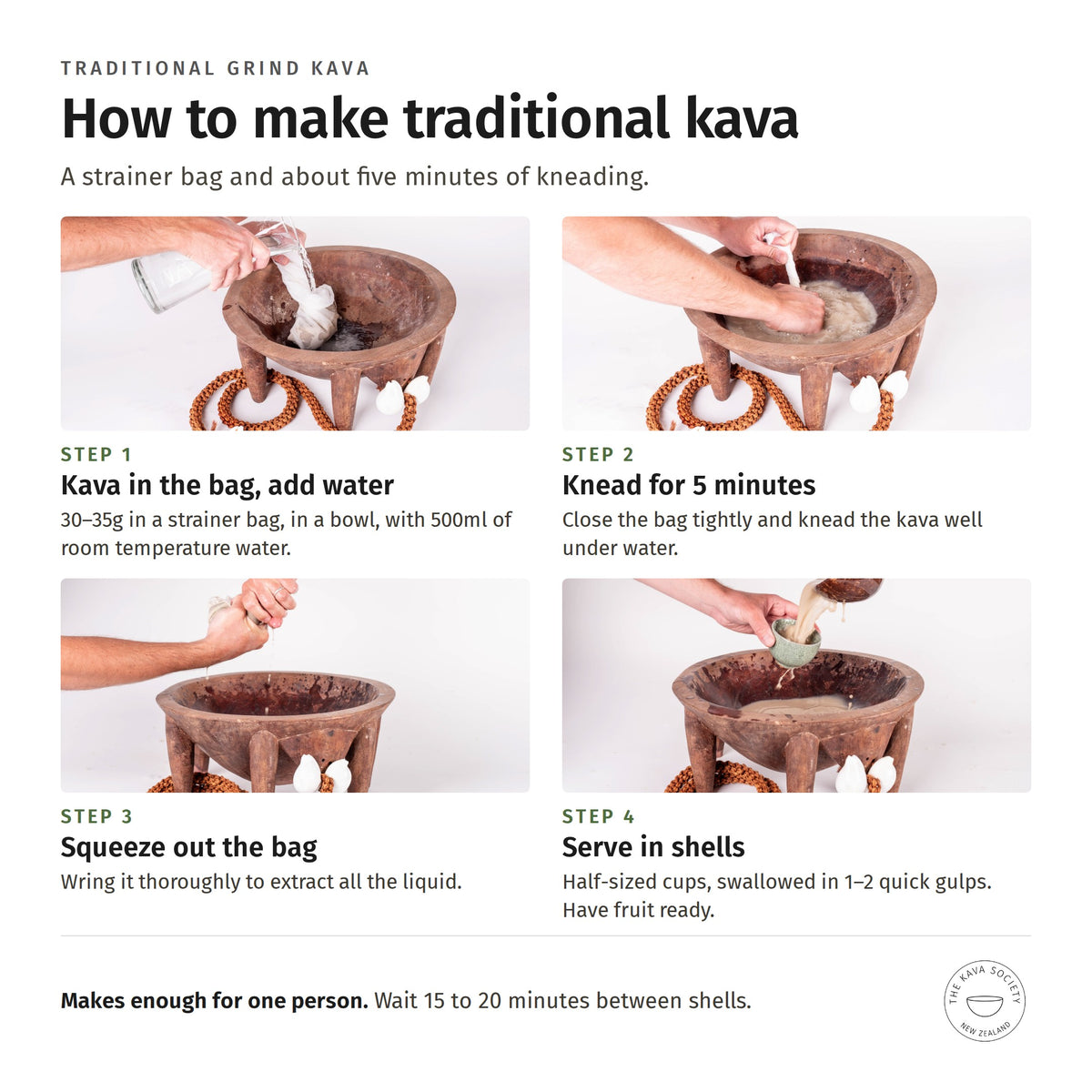
Here is the bit we like most. When you prepare traditional kava you knead the ground root in water and strain it, and what stays behind in the bag is the spent fibre, the makas, which most people compost or bin. It still holds plenty of residual pigment, which makes it close to free dye material. So the whole thing is genuinely low-waste. Brew your kava, drink your shells, then put the makas to work in a dye pot rather than throwing it out. If you would rather start fresh, a few scoops of inexpensive traditional grind, or a tired old batch you were never going to drink, will do the job just as well.
How to do it, step by step
Keep your first run simple. You want a natural-fibre item, because cotton, linen, silk and wool take natural dye while polyester essentially refuses. A 100 percent cotton tee is the easy starting point, and the same method works on a linen napkin, a silk scarf or a wool beanie. You will also want a large stainless steel or enamel pot kept for dyeing and not for food, your kava or makas, and a little alum (aluminium sulfate, sold for pickling and dyeing) and soda ash, with washing soda as a backup. Rubber gloves, a sieve and an old spoon round it out.
1. Scour the cloth. New cotton carries invisible oils and finishes that block dye. Simmer the item for about an hour in water with a couple of teaspoons of soda ash and a drop of dish soap, then rinse. This step alone makes a real difference to how evenly the colour takes.
2. Mordant it (optional, but worth it). Here is where the strainer bag and the t-shirt part ways. Bare cotton will still take kava colour, because the resin deposits on the fibre and oxidises in place, exactly as it does on your bag, but what you get that way is a pale, uneven stain that fades quickly. A mordant gives the flavokawain pigments something firmer to grip, so the colour goes on deeper and more evenly and holds far better against washing and sunlight. Dissolve alum at roughly 10 percent of the dry weight of your cloth in warm water, add a small pinch of soda ash, then submerge the wet item and leave it for a few hours or overnight.
3. Make the dye bath. Put your kava or makas in the pot with plenty of water, bring it to a gentle simmer for an hour or so, then strain the solids out. You are left with a warm golden-brown liquor. The stronger and longer you brew, the deeper the final shade.
4. Dye. Add the damp, mordanted cloth to the cooled dye bath, bring it back to a low simmer, and hold it there for an hour, stirring now and then so it takes evenly. Then turn off the heat and let the cloth sit in the bath as it cools, ideally overnight. Most of the colour bonds during that long, slow cool-down.
5. Set, or shift the colour. Lift the cloth out and rinse in cool water until it runs clear. From here you have three directions. Leave it as is and a soak in water with a splash of vinegar helps fix the warm honey tone. Push the bath alkaline instead, with more soda ash, and the colour deepens and warms toward amber and orange-brown, because the flavokawains are chalcones and chalcones genuinely shift with pH. Or dip the rinsed cloth briefly in iron water, made by steeping a few rusty nails in water with a dash of vinegar for a week, and watch the gold fall away into olive and grey. Kava's low tannin keeps that a gentle shift rather than a jump to black, so go slowly and pull the cloth out when you like what you see. Then hang it to dry out of direct sun.
What to expect
Natural dye behaves differently from the synthetic powder in a supermarket packet, so a few things are worth knowing up front. Your first piece will probably come out a shade or two lighter than the bath looked, because fibre never grabs every last pigment molecule. Cotton also takes natural dye less greedily than wool or silk, so if you want a richer result a silk scarf or a wool beanie will reward you more than a cotton tee.
Colourfastness is the honest caveat. Even with a proper mordant, plant dyes are gentler and fade more readily than industrial ones, so treat the finished piece kindly. Wash it cold, by hand, with a mild unscented detergent, and dry it in the shade. Think of the colour as something that will mellow and shift over time, which to our eye is part of the charm, and not far off how that beige-grey tapa was always meant to age.
The short version
Kava is yellow at heart, thanks to its flavokawain pigments, and it browns as it oxidises, which is exactly why it stains a strainer bag so eagerly. Those flavonoid pigments make it a soft, earthy dye in the onion-skin and turmeric family, giving warm tans and golden browns, and an iron dip will carry it on to olive and grey. The reds and purples are real but they live in the plant's stems, not the root we sell, so the bag dyes gold rather than rose. Pacific people knew kava as a quiet colourant for barkcloth long before any of us thought to try it on a t-shirt. Use your spent makas so nothing goes to waste, mordant your fibre with alum for colour that lasts, brew a strong bath, and let it cool slowly for the best bond.
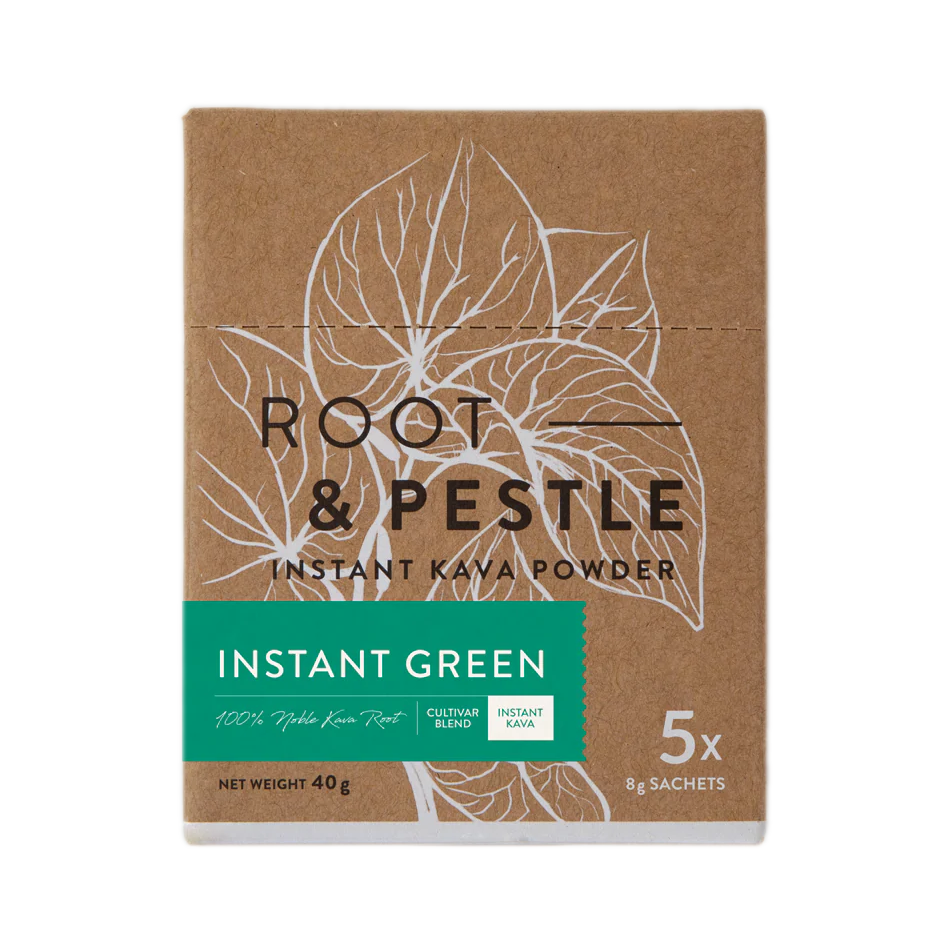
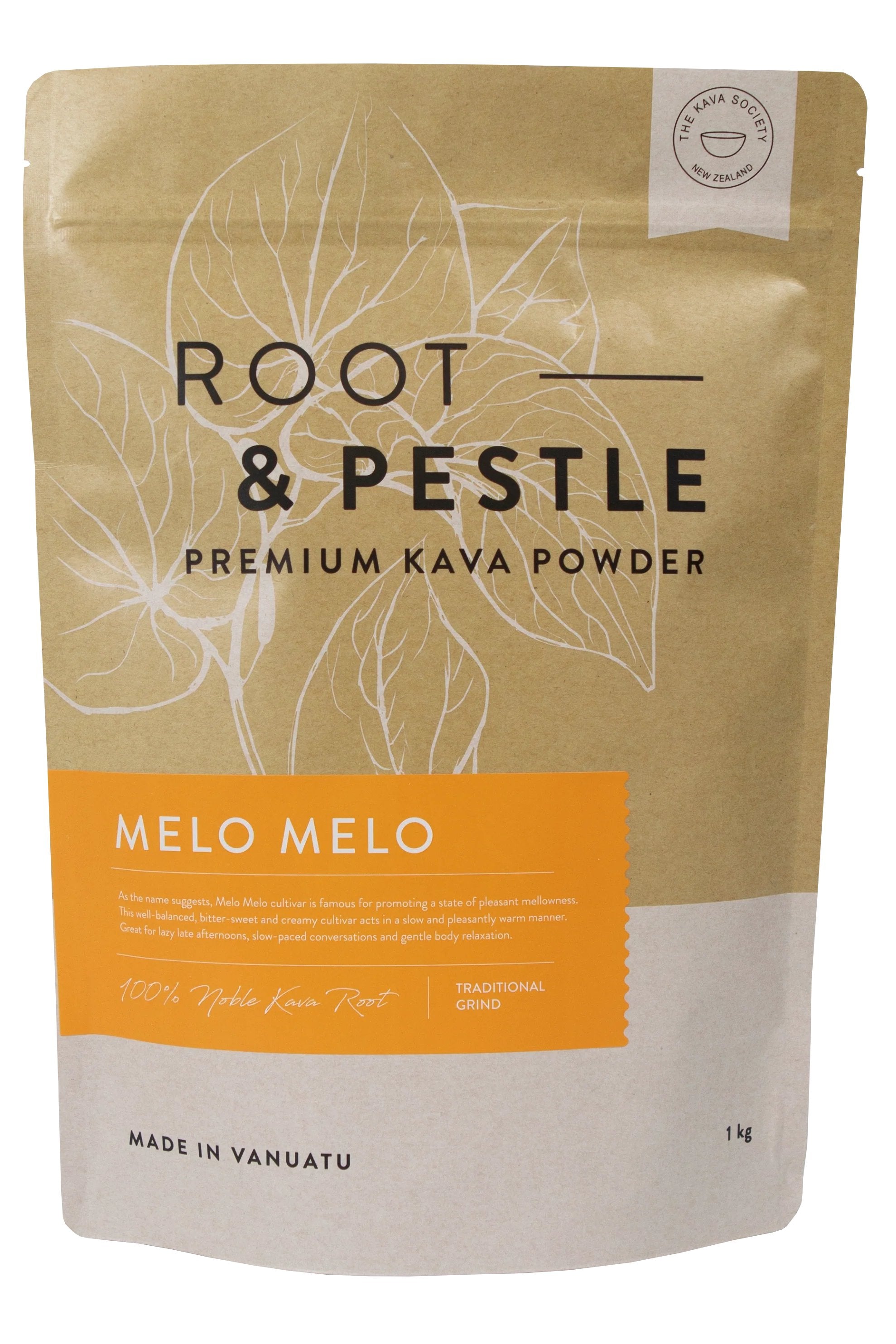
If you give it a go, we would love to see how it turns out, so tag us or send a photo. And if you want the right starting material, our traditional grind range makes a fine dye bath, though we will admit it is far better in a bowl than in a dye pot.
Further reading
- Polynesian Tapa Colourants
- Material Approaches to Polynesian Barkcloth (Sidestone Press)
- Colouring of Pacific barkcloths: identification of the brown, red and yellow colourants (npj Heritage Science, 2019)






Leave a comment
This site is protected by hCaptcha and the hCaptcha Privacy Policy and Terms of Service apply.