TLDR: We don't sell kava extracts. Three reasons: New Zealand law (FSANZ Standard 2.6.3 only permits raw or dried root and aqueous suspension), the unresolved safety story behind the early-2000s European cases (which almost all involved solvent extracts, not traditional kava), and the simple fact that concentrated extracts don't deliver the kava experience people are actually seeking. Below: the regulatory framework, what we know about what went wrong in Europe, and why traditional kava is internationally recognised as a safe food.
We're often asked whether we sell kava extracts or concentrated kavalactone products. The answer is no, and we want to explain why. It comes down to three things: New Zealand law, unresolved safety questions around these extracts, and the simple fact that they don't deliver the kava experience people are actually looking for.
When we say "extracts" here, we mean concentrated products made using organic solvents like ethanol or acetone, not traditional water-based kava preparation (which is technically also an extraction process, but a very different one).
Chemical kavalactone extracts are illegal in New Zealand and Australia
Under the Australia New Zealand Food Standards Code (Standard 2.6.3), kava may only be sold as:
- Raw or dried kava root from Noble cultivars
- A beverage obtained by aqueous suspension (mixing kava root with water)
That's it. Concentrated extracts made using organic solvents like ethanol or acetone are prohibited as food products. Any kava product containing food additives or processing aids is likewise not permitted. The regulation reflects a clear distinction between traditional kava and chemically processed extracts, and for good reason.
The safety concerns are real, but the picture is complicated
When regulators in Australia and New Zealand developed these standards, they were responding to a series of hepatotoxicity cases reported in Europe and elsewhere between 1998 and 2002. These cases were serious and included liver transplants and deaths. The FSANZ Human Health Risk Assessment documented 82 cases worldwide.
But here's what makes this story complicated: virtually all these cases involved concentrated ethanol or acetone extracts, not traditional kava. And we still don't know exactly what went wrong.
To put the numbers in perspective, anthropologist Kirk Huffman investigated the German situation in 2002 and found that just two small German pharmaceutical companies had sold over 163 million daily doses of kava extract products in the decade prior to the controversy, with no reported serious adverse effects. The cases that triggered regulatory action were extremely rare.
Researchers including Rolf Teschke and Vincent Lebot have spent years investigating possible causes. Their work has identified several candidates:
Poor quality raw material. This is increasingly seen as a likely factor. During the kava boom of the late 1990s, demand far exceeded supply. As Lebot notes, Western buyers typically cared only about kavalactone content, not cultivar quality or traditional preparation methods. There's evidence that stem peelings (traditionally discarded) were exported as "kava" and may have contained pipermethystine, an alkaloid toxic to liver cells in lab studies. Non-noble cultivars (tudei and wichmannii varieties, which Pacific Islanders avoid for good reason) may also have entered the supply chain, and these contain higher levels of potentially problematic compounds like flavokavains. Contamination with mould hepatotoxins like aflatoxins during storage is another possibility, though direct evidence is limited. Importantly, it's much easier to hide poor quality material, wrong cultivars, or contaminated roots in a concentrated extract than when you're selling raw root that customers can see and inspect. And if any of these contaminants are present, the extraction process concentrates them.
The extraction process itself. The glutathione hypothesis suggests that organic solvent extraction removes this naturally occurring compound that may help the body process kavalactones safely. Concentrated extracts also deliver far higher kavalactone doses than traditional preparation, potentially overwhelming metabolic pathways in susceptible individuals.
Rare idiosyncratic reactions. Some researchers believe most cases were unpredictable individual reactions, similar to those that occur with many conventional medications. Genetic factors affecting drug metabolism (CYP2D6 polymorphism, which varies significantly between ethnic groups) may play a role.
Other factors. Many of the reported cases involved overdose, prolonged treatment, or comedication with other drugs or alcohol.
The bottom line: no single explanation for the European cases has been definitively established. But the regulatory response has been clear and consistent: traditional kava is safe; concentrated solvent extracts are not equivalent and should be treated differently.
Traditional kava is recognised as safe food
International and national regulatory bodies have examined the evidence and reached the same conclusion: traditionally prepared kava has an excellent safety record and should be regulated as food, not as a drug or supplement.
In 2020, the Codex Alimentarius Commission (the joint FAO/WHO body responsible for international food standards) adopted a Regional Standard specifically for kava products prepared by mixing with water. The standard explicitly applies only to Noble cultivars and aqueous preparation, not to extracts or medicinal products. As the Codex discussion paper noted: "Kava has had at least a 1500-year history of relatively safe use, with liver side effects never having arisen in the ethnopharmacological data."
The FSANZ regulations in Australia and New Zealand align with this approach, permitting kava root and kava beverages obtained by aqueous suspension while excluding solvent extracts. The 2004 FSANZ risk assessment concluded: "The available data indicates that traditional kava beverage prepared from the root has a long tradition of safe use in the South Pacific Islands. It is compositionally different from kava products prepared by extraction using organic solvents."
In January 2024, the Hawai'i State Department of Health went further, issuing a formal determination that traditionally prepared ʻawa (kava) qualifies as Generally Recognized as Safe (GRAS) under US food law. The determination specifically covers Noble variety kava root mixed with water or coconut water through aqueous extraction. The Department noted that while the US FDA had raised concerns about kava, those concerns related to "the highly concentrated amount of kavalactones extracted via non-traditional methods" which "may pose a significant health hazard due to liver toxicity." Traditional preparation was a different matter entirely.
The pattern is consistent. Regulators who have examined the evidence distinguish clearly between traditional kava (safe, recognised as food) and concentrated solvent extracts (unresolved safety questions, different regulatory category). This distinction reflects a genuine difference in safety profiles and a sensible approach to risk.
We're confident that traditional kava, properly prepared from Noble cultivars, is safe. We're not confident the same applies to concentrated extracts. And even if high-quality extracts made under ideal conditions were safe, the problem is that quality is much harder to verify when kavalactones are concentrated into a pill or tincture. You can't inspect a capsule the way you can inspect raw root. You're trusting the entire supply chain, from cultivar selection to processing to encapsulation, with no easy way to verify any of it. Traditional kava is transparent in a way that extracts simply cannot be.
These extracts don't deliver the real kava experience
Here's the thing that matters most to us, and to experienced kava drinkers: even setting aside safety and legality, kava extracts are a poor substitute for the real thing.
We've spoken to kava enthusiasts around the world, including in places like the United States where extracts are widely sold. The consensus is consistent. Extracts might produce some effect, but it's qualitatively different from traditional kava. The experience is shorter, shallower, emptier. It lacks the depth, the warmth, the full-spectrum relaxation that makes kava such a unique beverage.
We've even tried some of the world's best extracts ourselves, including CO2 extracts made from the very kava we sell. These are about as good as extracts get, produced using modern supercritical extraction methods that avoid the solvent concerns that triggered regulatory action. We'll be honest: they had impressive effects and might have interesting applications in certain contexts.
But they didn't replicate the experience of traditional kava. They didn't replace instant kava either. Something is lost in the extraction process, something that the full aqueous suspension retains. Perhaps it's the interplay of compounds beyond just kavalactones. Perhaps it's simply that a 3000-year-old preparation method captures something that modern extraction cannot.
As Dr Vincent Lebot, one of the world's foremost kava researchers, puts it: "The definition of the word 'kava' is the cold water extraction of the peeled underground organs of noble varieties of Piper methysticum. So kava is a beverage (like tea or coffee), and an extract is not kava (like caffeine is not coffee)."
A caffeine pill might give you alertness, but it's not coffee. Kavalactone extracts might produce sedation, but they're not kava.
What we offer instead
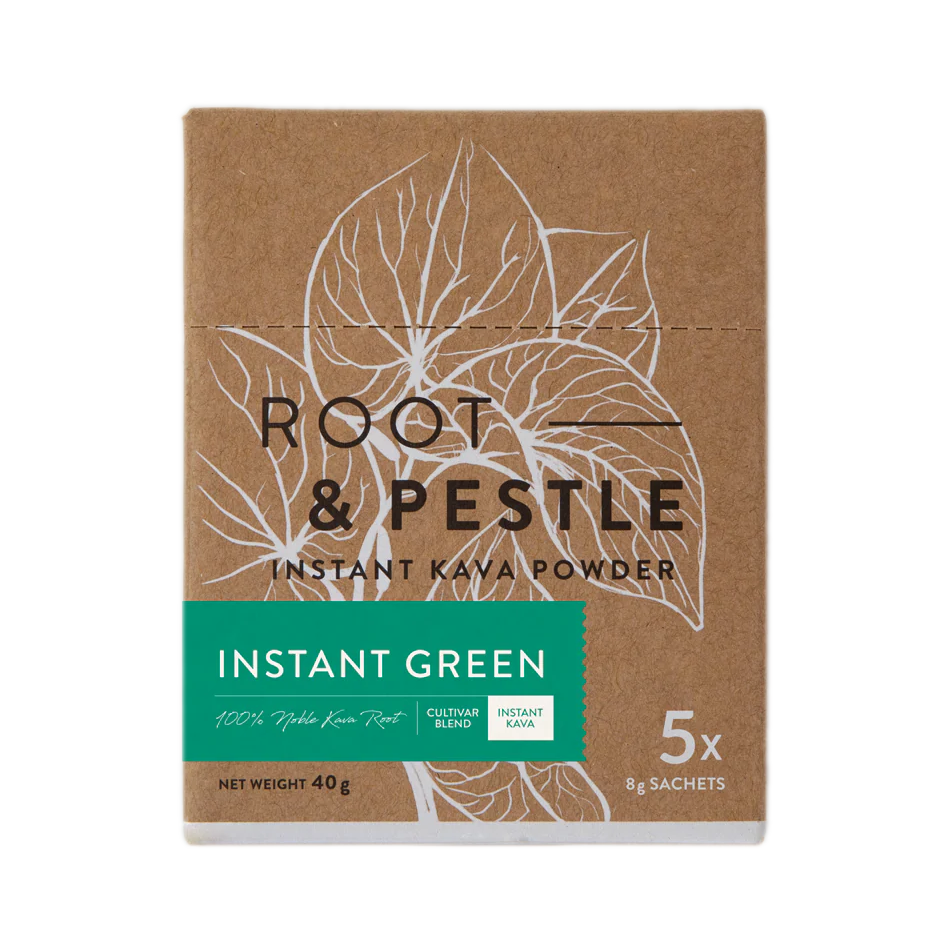
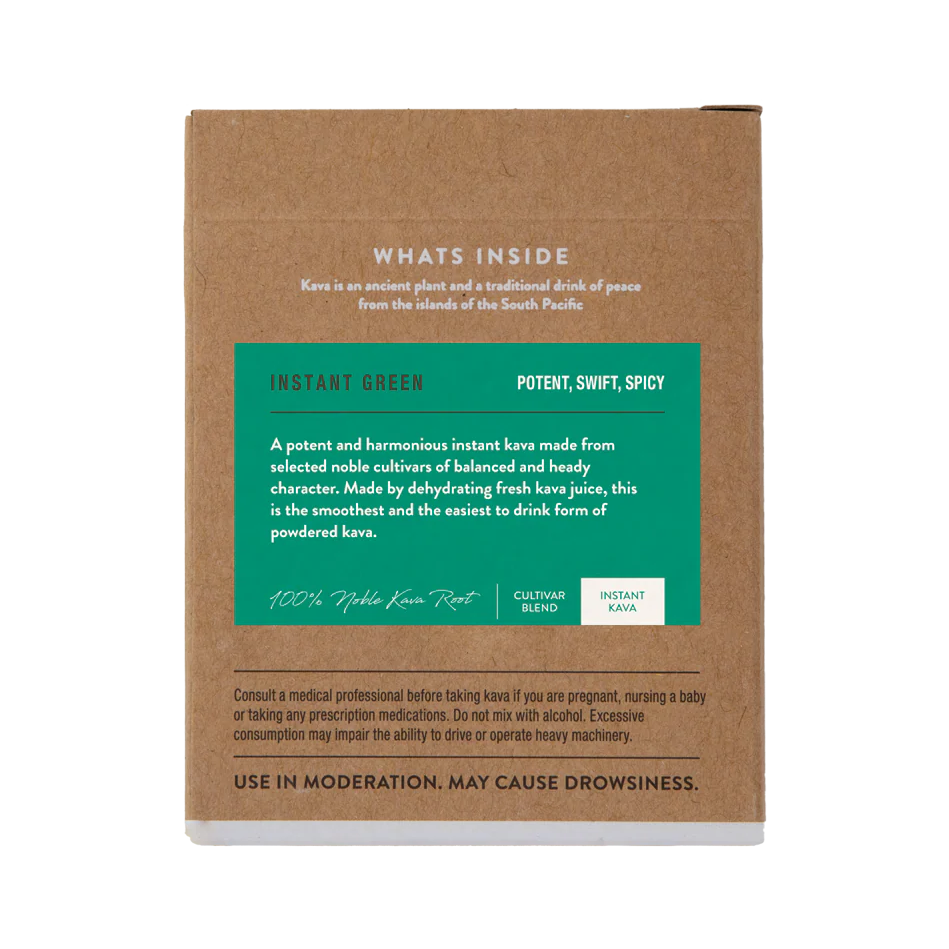
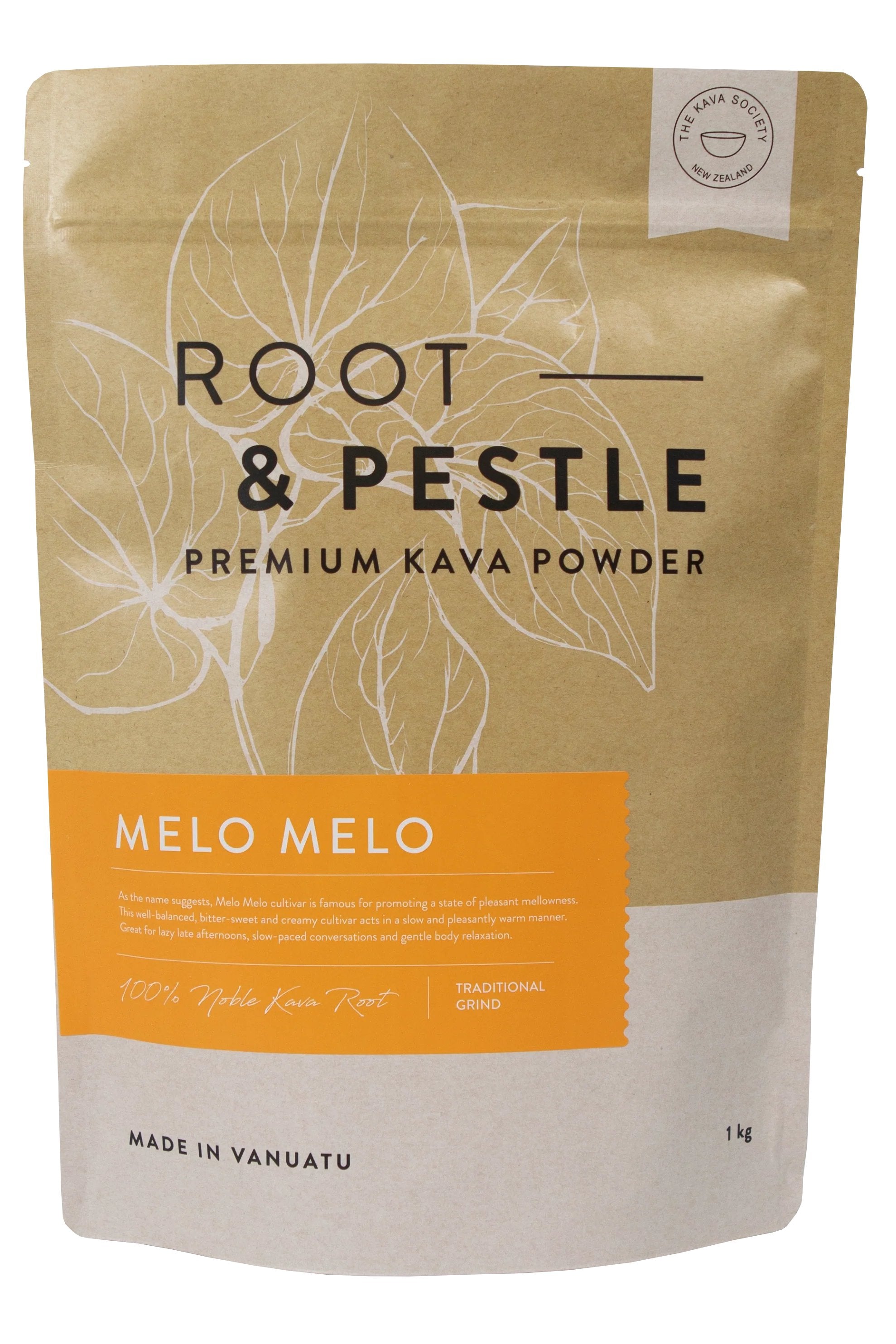
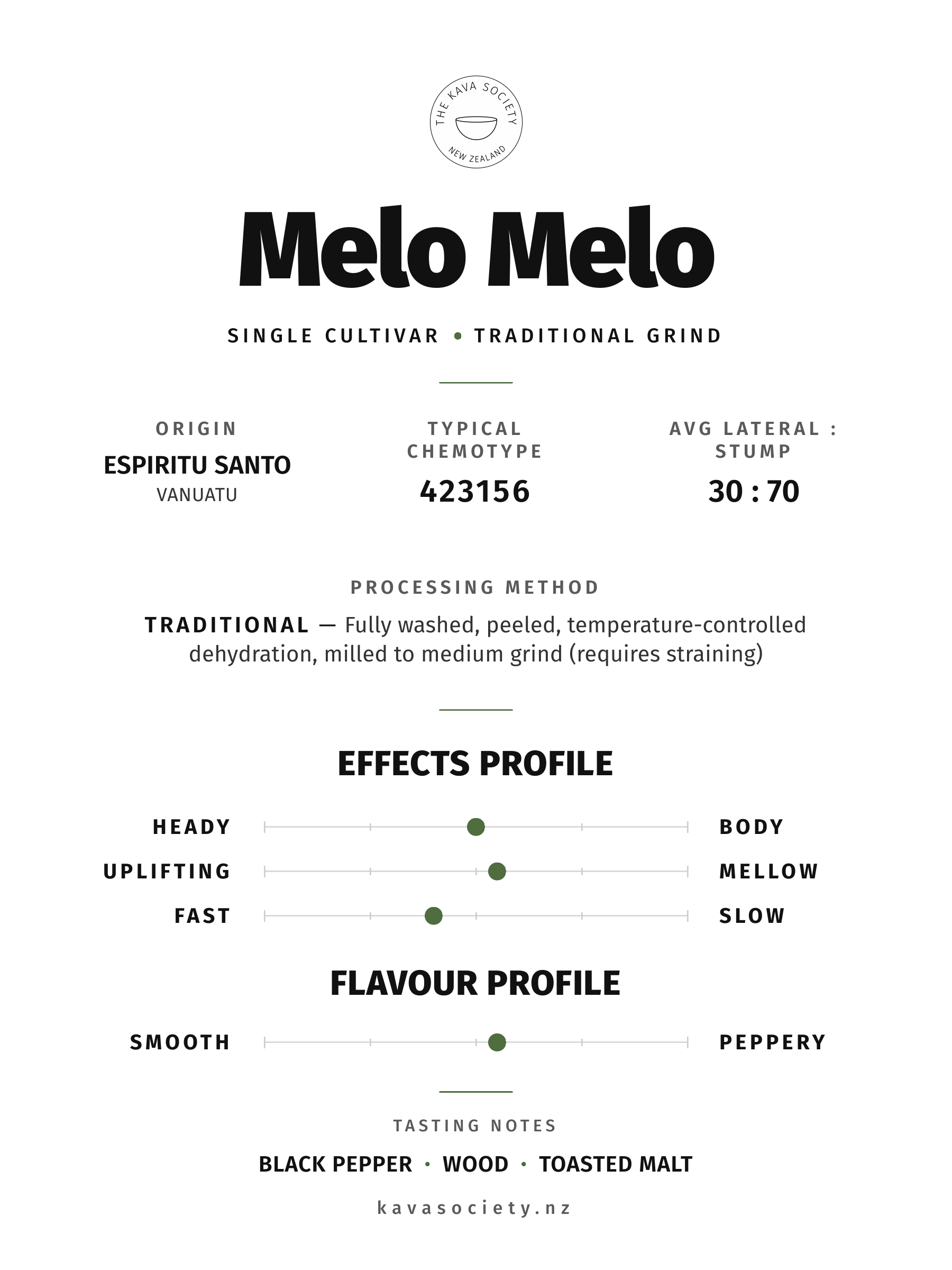
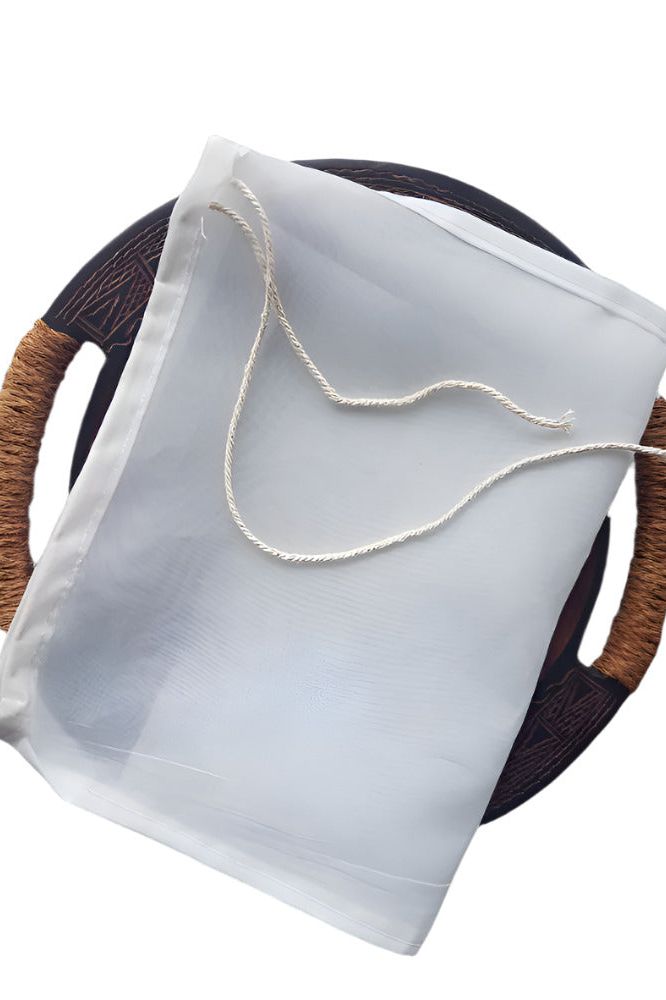
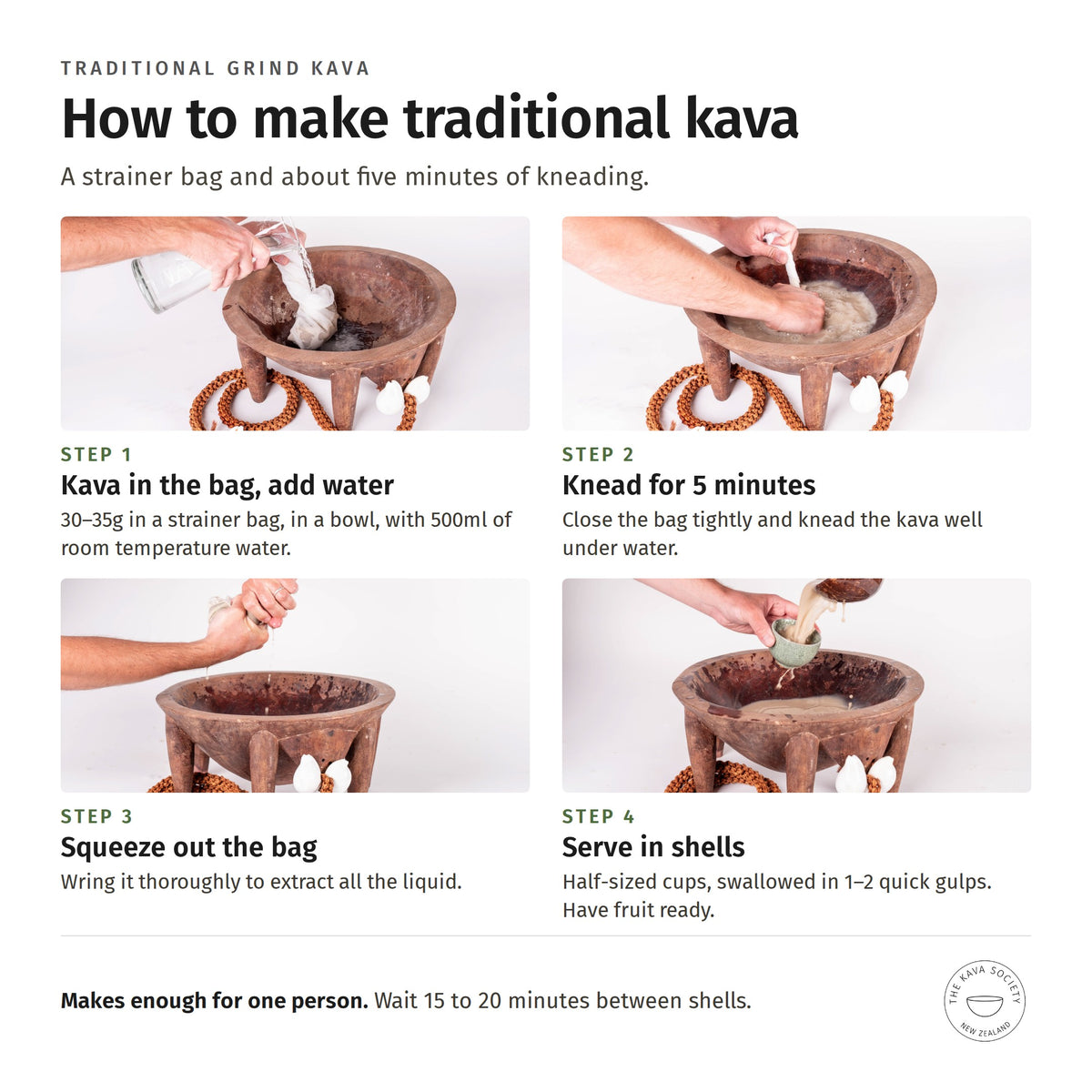
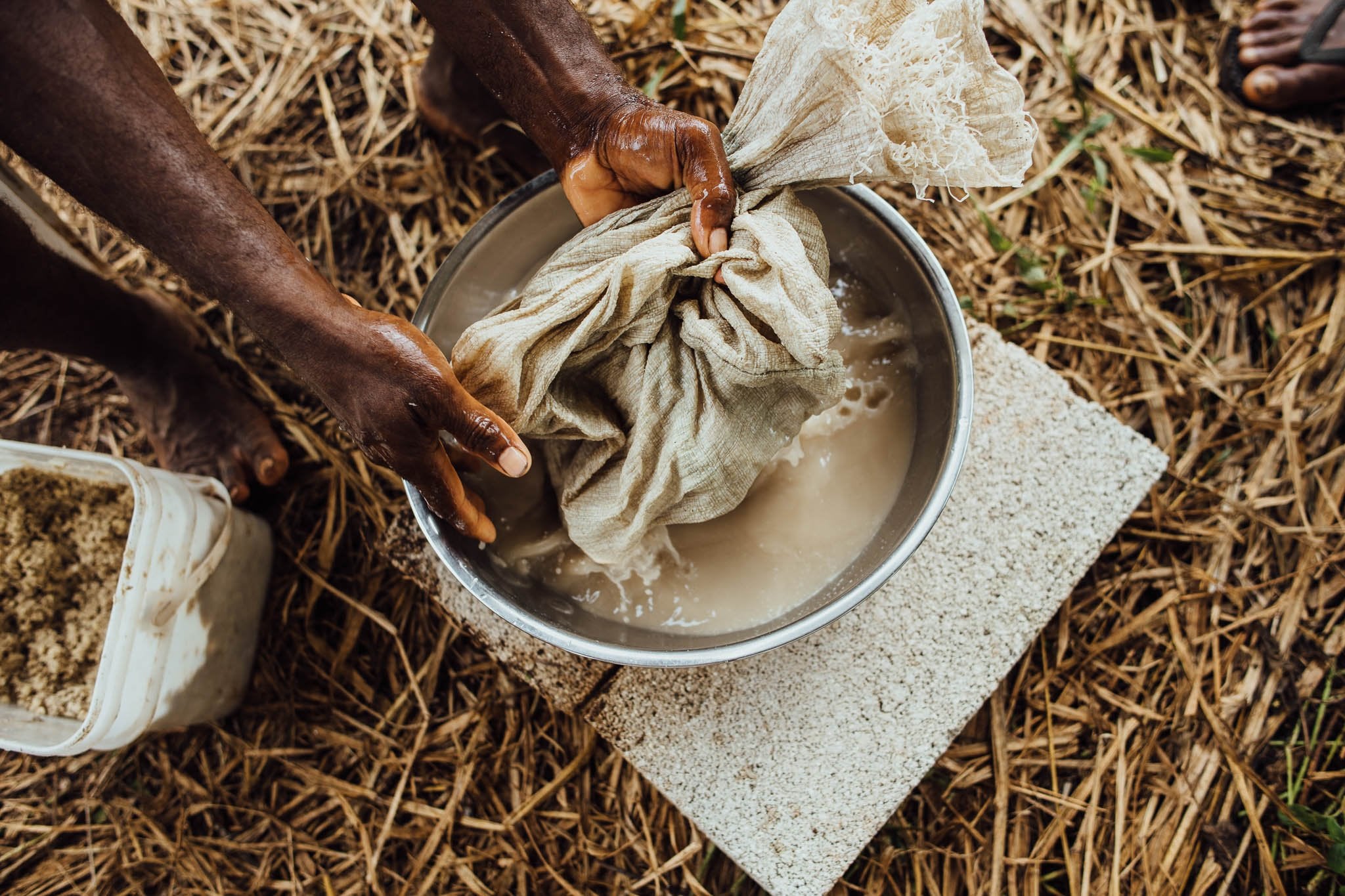
We sell traditional grind kava and genuine instant kava. Our traditional grind products let you prepare kava the way it's been prepared across the Pacific for millennia: by mixing the ground root with water, kneading, and straining.
Our instant kava is dried kava root with the indigestible fibres removed. Freshly harvested roots are peeled, minced, and washed with cold water to separate the fine root material from the tough cellulose fibres that you'd otherwise strain out yourself. The fine root material is then dried and milled into a powder that mixes directly into water. The result is the same traditional kava beverage, an aqueous suspension of kava root, without the kneading and straining.
Both products give you authentic kava. Both have the safety profile that comes from thousands of years of traditional use. And both deliver the experience that kava drinkers are actually seeking.
If you're curious about kava but have only tried extracts, we'd encourage you to experience the real thing. You'll understand why Pacific Island cultures have treasured this beverage for three thousand years. (Our guide to the different forms of kava goes into more detail on what's worth trying first.)







,%20the%20unresolved%20safety%20story%20behind%20the%20early-2000s...)
Leave a comment
This site is protected by hCaptcha and the hCaptcha Privacy Policy and Terms of Service apply.