
When less is more: making the most of your kava with the right ratio and pace
TLDR: The same kava powder can produce very different experiences depending on the ratio and the pace you drink. For solo "listening to the kava" with a heady cultivar: stronger, faster, two or three large shells. For socialising: milder, slower, longer session. For a heavy evening session: slow, well before bed. Below, how to match the style to the occasion.
When it comes to kava, most people agree that the quality and type of the roots is of paramount importance. At the most basic level, the kava needs to be safe to consume: free from contaminants, processed in a hygienic environment. Beyond that, selecting the right cultivar, giving it the right amount of time in the right environment, careful harvest, careful post-harvest processing, appropriate drying, grinding, and packing all determine how good a given kava can be to drink.
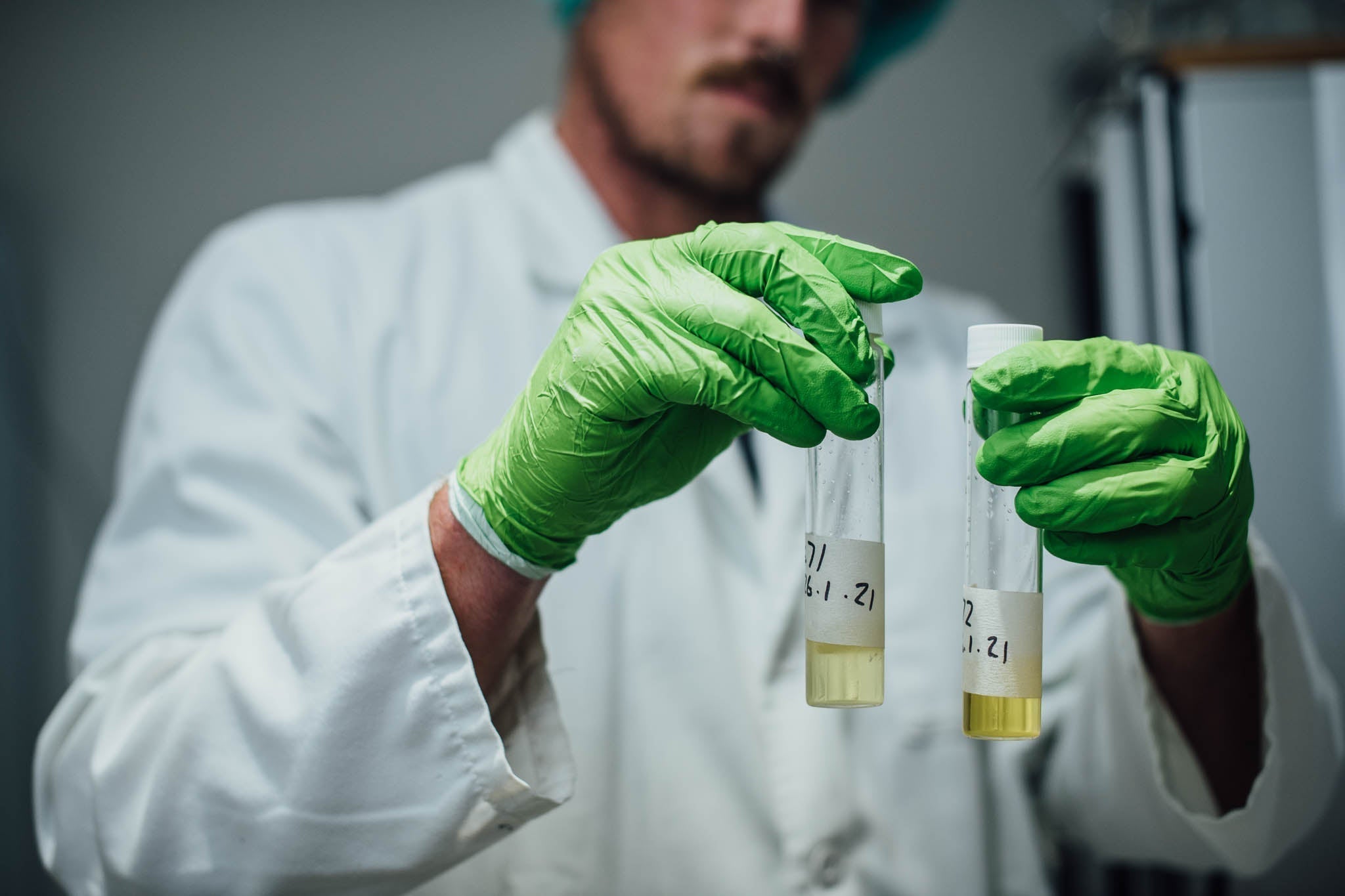
We agree, which is why we have worked so hard on selecting the finest kava cultivars in the world (read more about our single cultivar range) and on ensuring that all of our kava is processed from freshly harvested roots, using the most advanced fit-for-purpose techniques and equipment in a dedicated, food-grade facility (more on how our kava gets processed if you want the detail; quite amazing how much effort goes into making a pure and clean powder that still carries the character of freshly harvested plants).
How you prepare and drink your kava matters as much as what kava you drink
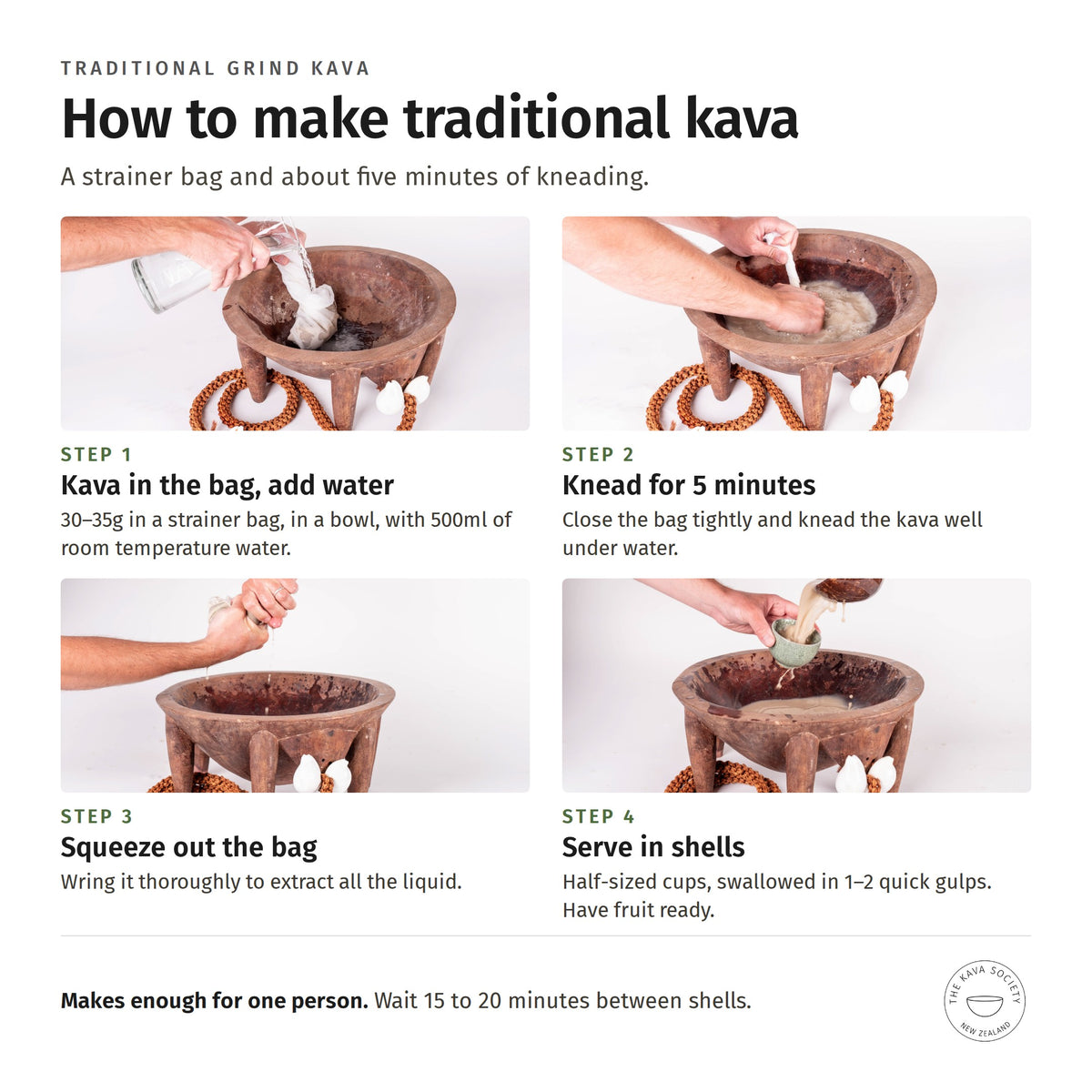
With so much focus on the quality of the kava and the unique features of each cultivar, it is easy to overlook another important factor: the way the kava is prepared and consumed. Not just whether you know how to prepare kava correctly (see our basic preparation guide), but how to adjust your kava recipe and consumption style to best fit your needs and the experience you want.
A few years ago we wrote a blog post about different cultures of kava drinking and how the way kava is prepared and drunk across the Pacific shapes the experience. Today's post is a follow-up with a greater focus on practical implications for those who drink kava at home.
As we noted in the older post, you can consume the same total amount of kava but produce very different effects depending on how concentrated the drink is and how quickly (or slowly) it is consumed. Throughout Polynesia and in Fiji, drinkers tend to prefer more diluted kava, which they enjoy over hours as a social accompaniment to gatherings. In Vanuatu, the birthplace of kava, kava is consumed fresh (green), in a much more concentrated form, and over a much shorter window. The result is a more intense, inward, contemplative experience. The general point is that while the underlying principles of preparation are universal (mix kava and water, strain), the water-to-root ratio and the way you consume the drink can make a huge difference.
In practical terms, the same powder can produce a wide range of experiences depending on how you prepare and drink it, while still sticking to the basics. Things get more interesting once you factor in that different cultivars suit different approaches, and that we all respond a little differently to different methods. The upshot: it is worth experimenting and adjusting based on your needs and circumstances.
Different drinking styles for different purposes
For solo "listening to the kava"
If you drink kava on your own at home and your aim is the pleasant, uplifting, heady character of cultivars such as Kelai, Puariki, or Palarasul, the best approach is to use less powder but in a more concentrated form, consumed more rapidly. In this sense, less kava can produce a more rewarding experience.
For example, vigorously mix 35 g of Kelai with just 500 to 600 ml of water and pour the resulting kava into two (maximum three) large shells. Drink them relatively quickly with a short break in between. This brings the kavain-forward character of the cultivar to the front and delivers a stronger, shorter-lived experience. By contrast, drinking even much larger quantities of these cultivars slowly and heavily diluted is unlikely to produce the same uplifting character that heady kavas are usually sought for.
This concentrated, rapid style is less suited to long conversations or extended socialising. It is supremely suited to "listening to the kava": a short-lived, contemplative state of an open, slow, and yet clear mind. A great way to reset the mental chatter after a long day, easily followed by a meal or a movie. You tend to wake the next day feeling fresh and rested.

Monday social kava at the Four Shells Kava Lounge in Auckland.
For socialising with friends
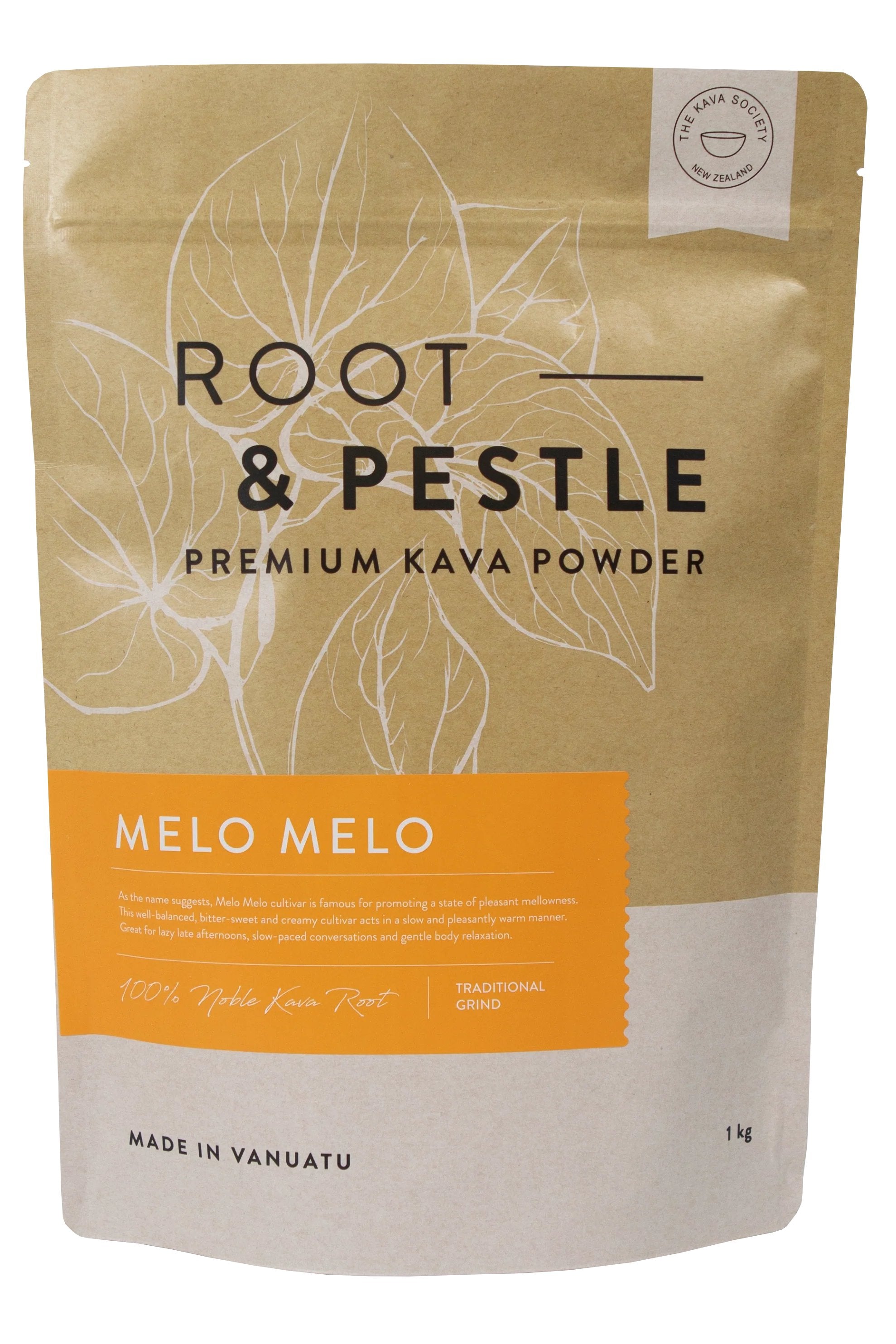
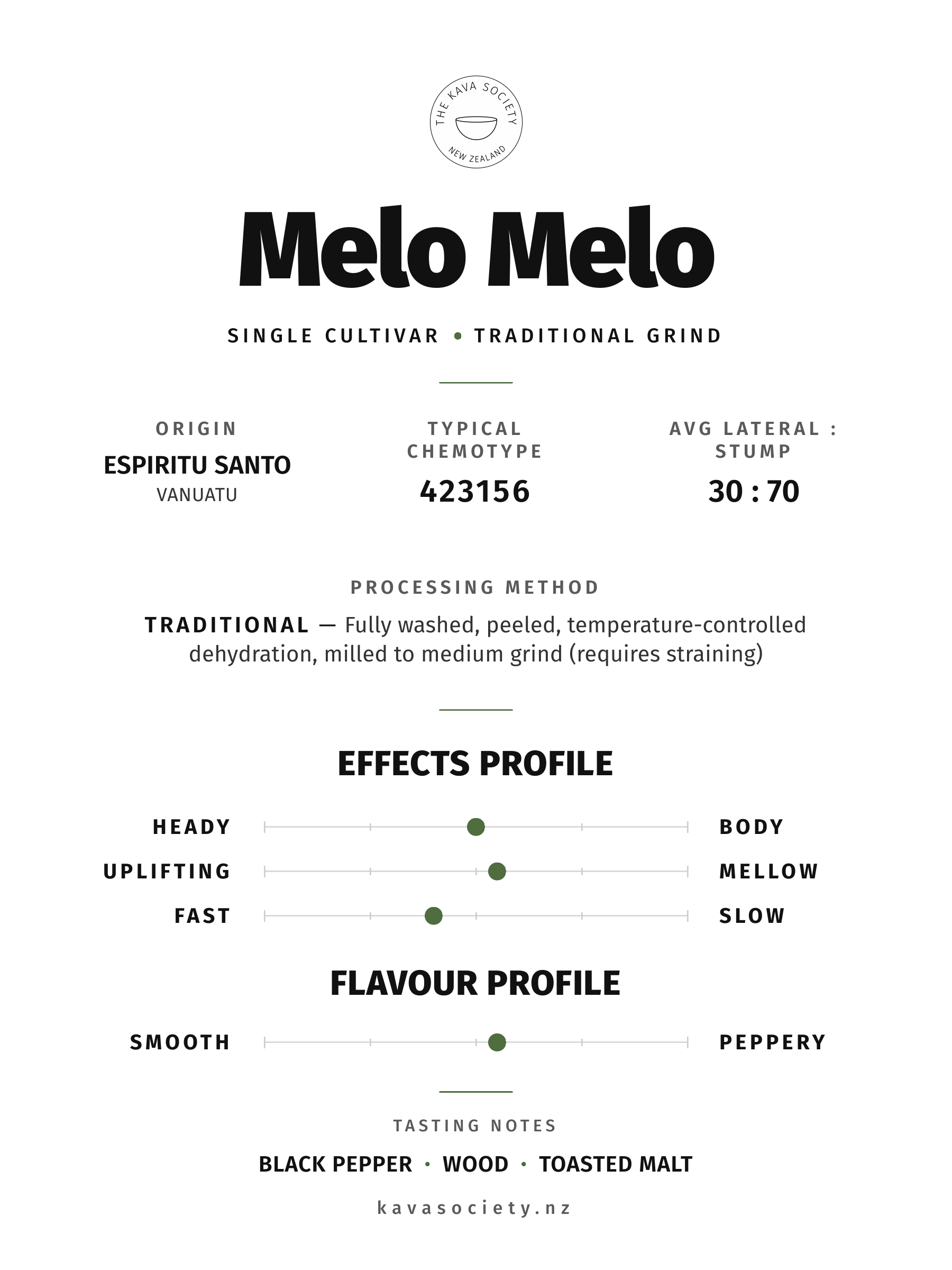
If you want to socialise over kava, you might still use a heady cultivar or a heady-balanced one (e.g. Bir Kar, Melo Melo), but dilute it with more water and drink it more slowly. These cultivars are creepers, with some of their character taking a while to build. After many months of experimentation with our partner kava lounge in Auckland, the Four Shells Kava Lounge, we landed on a selection of cultivars and a root-to-water ratio that works particularly well in a bar setting.
Kava bars in Vanuatu tend to serve very strong, fresh green kava, but they are also typically quiet places that close relatively early, in line with that style of drinking. The Four Shells Lounge was initially inclined to adopt the Vanuatu kava bar style, but cultural expectations in Aotearoa New Zealand pointed towards a more social experience, with the bar often open until late and featuring gentle live music or socio-cultural events. We kept the same cultivars but adapted the ratios and the recommended pace to suit that environment. For those who want the Vanuatu style, the bar still offers more concentrated versions and special shells. Most customers prefer the social style.
For a heavier evening session
For those who want a deeply relaxing evening, choose a heavier cultivar such as Borogoru, drink it more slowly, and ideally well before going to sleep. The deeper, more grounding character of heavier kavas takes time to come through. Drinking them rapidly or in heavily concentrated shells, particularly right before bed, tends to bring the (generally less prominent) uplifting elements of the cultivar to the front instead.
Some people make the mistake of preparing a few strong shells of Borogoru immediately before going to bed, expecting a restful night. Often the opposite happens. The window between consumption and bed is too short for the deeper, calming character to develop, and the more alert side of the cultivar takes the lead.
Wrapping it up
How you prepare and drink your kava matters as much as which kava you choose. We have suggested a few starting points, but everyone is different, so do not be afraid to experiment and find your own ratios and rhythms. Kava is a versatile plant that accommodates many needs and occasions. By playing with water-to-root ratios and consumption pace, you can often get more from your kava and better align it with how you actually want to use it.
Related reading
- Different ways of drinking kava and the art of "listening to the kava"
- How to make your evening kava session great
- What is the right amount of kava?
- What's the best kava cultivar?
If you're new to kava, our quick guide for new drinkers is a good place to figure out where to begin. From there, the cultivar links in this post are good places to start tailoring the experience.









Leave a comment
This site is protected by hCaptcha and the hCaptcha Privacy Policy and Terms of Service apply.